
WAYNE COUNTY, PA — Due to the detection of chronic wasting disease (CWD) in a captive deer, parts of northeastern Wayne County are under a disease management area (DMA) to try and prevent its …
Stay informed about your community and support local independent journalism.
Subscribe to The River Reporter today. click here
This item is available in full to subscribers.
Please log in to continue |
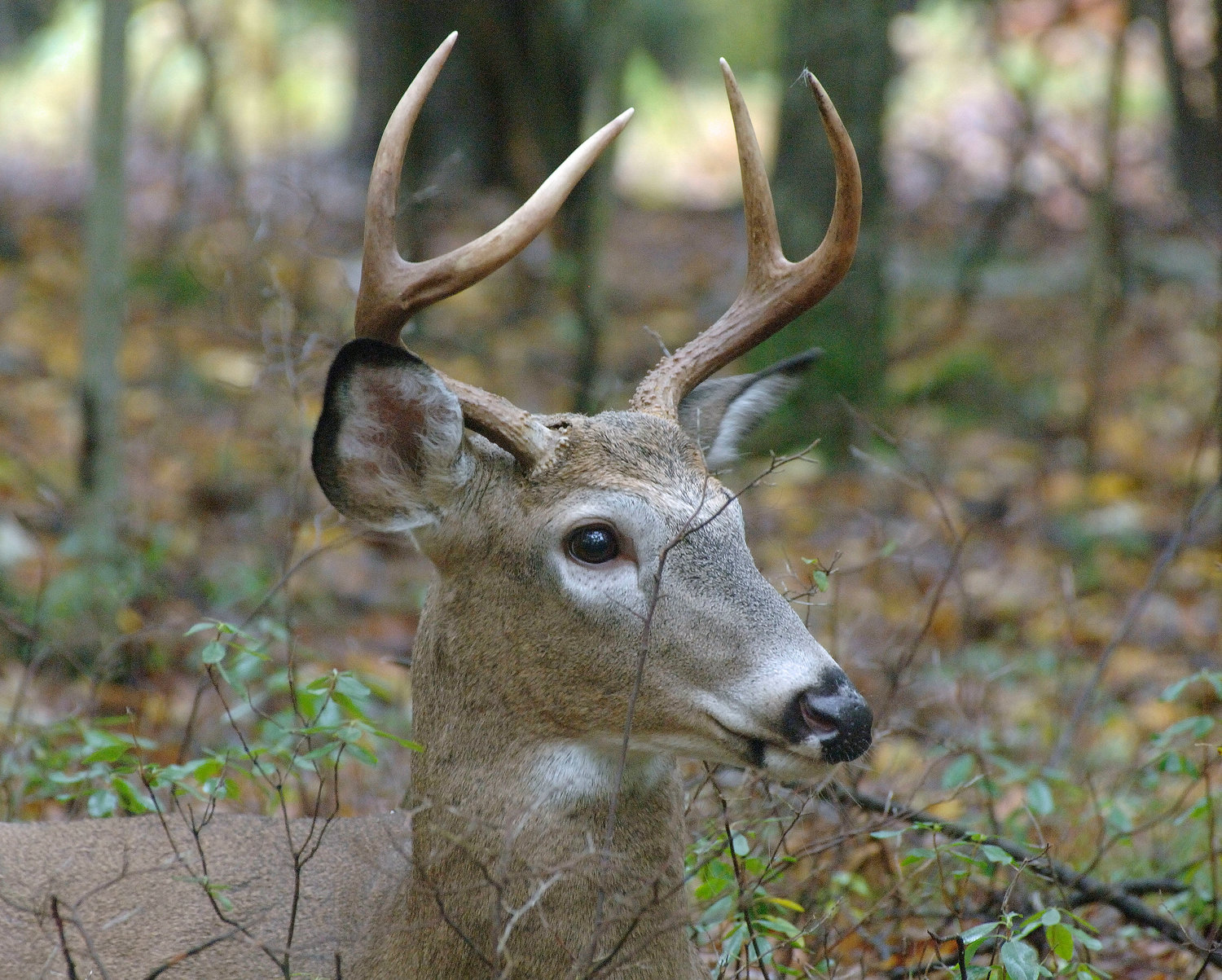
WAYNE COUNTY, PA — Due to the detection of chronic wasting disease (CWD) in a captive deer, parts of northeastern Wayne County are under a disease management area (DMA) to try and prevent its spread.
CWD is a fatal neurological condition that affects cervid species, which include deer, elk, caribou and moose. According to the Pennsylvania Game Commission (PGC), CWD was first detected in Colorado—at a research facility in 1967 and in a free-ranging elk in 1981—and has since spread across much of the United States.
Pennsylvania’s first cases of CWD were found in 2012. Since then, a total of 10 DMAs have been established across the commonwealth.
DMA 10 was established in April. It covers all of Manchester Township and parts of Buckingham, Preston, Mount Pleasant, Lebanon and Damascus townships.
Most of the restrictions within a DMA apply to hunting, though there is also a prohibition on feeding deer, according to PGC media contact Travis Lau.
The “big one” is a prohibition on removing high-risk deer parts from a DMA, Lau said. These include the head, the spinal column and the spleen.
However, hunting is still permitted within the DMA. Lau said hunting might be “even more important” with the DMA in place, because the culling of deer is part of the CWD management strategy.
Hunters who live and hunt within a DMA can do their own processing as normal, with the addition of some general guidelines, such as disposing of unwanted parts by double-bagging them and sending them to a lined landfill, he said.
Hunters who live outside a DMA can bring their catches to one of an established list of processers of taxidermists who are certified to be able to deal with them, he said.
PGC will also place bins where hunters can put deer heads to get them tested for CWD. While there is no evidence that CWD is transmissible to humans or livestock, Lau said the testing can offer hunters more security in eating meat from a deer they have harvested.
 DMA-10 covers all of Manchester Township and much of the surrounding townships.
The broader impact
CWD’s detection in Wayne County has raised alarms about its potential impacts.
Adam Hill is a game farmer in Wayne County. He said that since the disease’s appearance in Pennsylvania, the number of CWD DMAs has only continued to grow.
“Once it hits the wild herd, it typically continues to spread,” he said.
Northern Wayne County is an “oasis” for deer hunting at present, he said, with lots of hunting clubs. The presence of CWD potentially will have a major impact on the deer herd and on the area economically.
Lau said there are some reasons to be hopeful for Wayne County’s deer population. CWD has only been found so far in the one initial captive deer, he said. “At this point in the game, we haven’t detected it in the wild.”
The first DMA established in Pennsylvania serves as a positive example, he said. DMA-1 was established after the detection of CWD in a captive white-tailed deer facility in Adams County; after five years of surveillance turned up no additional cases, the DMA was dissolved.
However, the presence of CWD in Pennsylvania has continued to spread since its initial discovery in the wild—and, says Hill, there’s new scientific research being done that suggests a five-year quarantine isn’t enough time to ensure that CWD is gone from the area.
“It’s hard to find a family who doesn’t hunt deer here in Wayne County,” Hill said.


Comments
No comments on this item Please log in to comment by clicking here